

RESONIX - Immersive Audio. Zero Distractions.
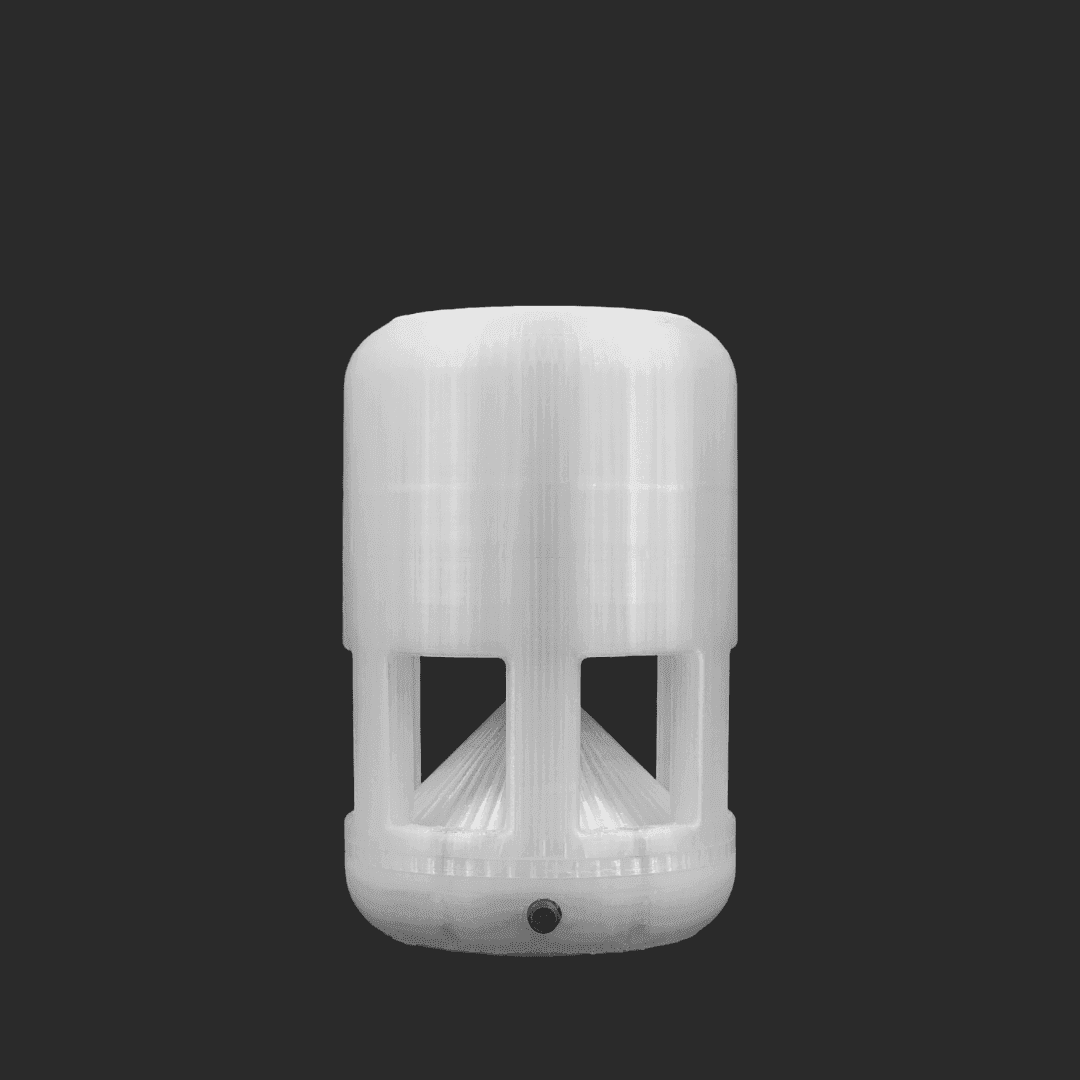
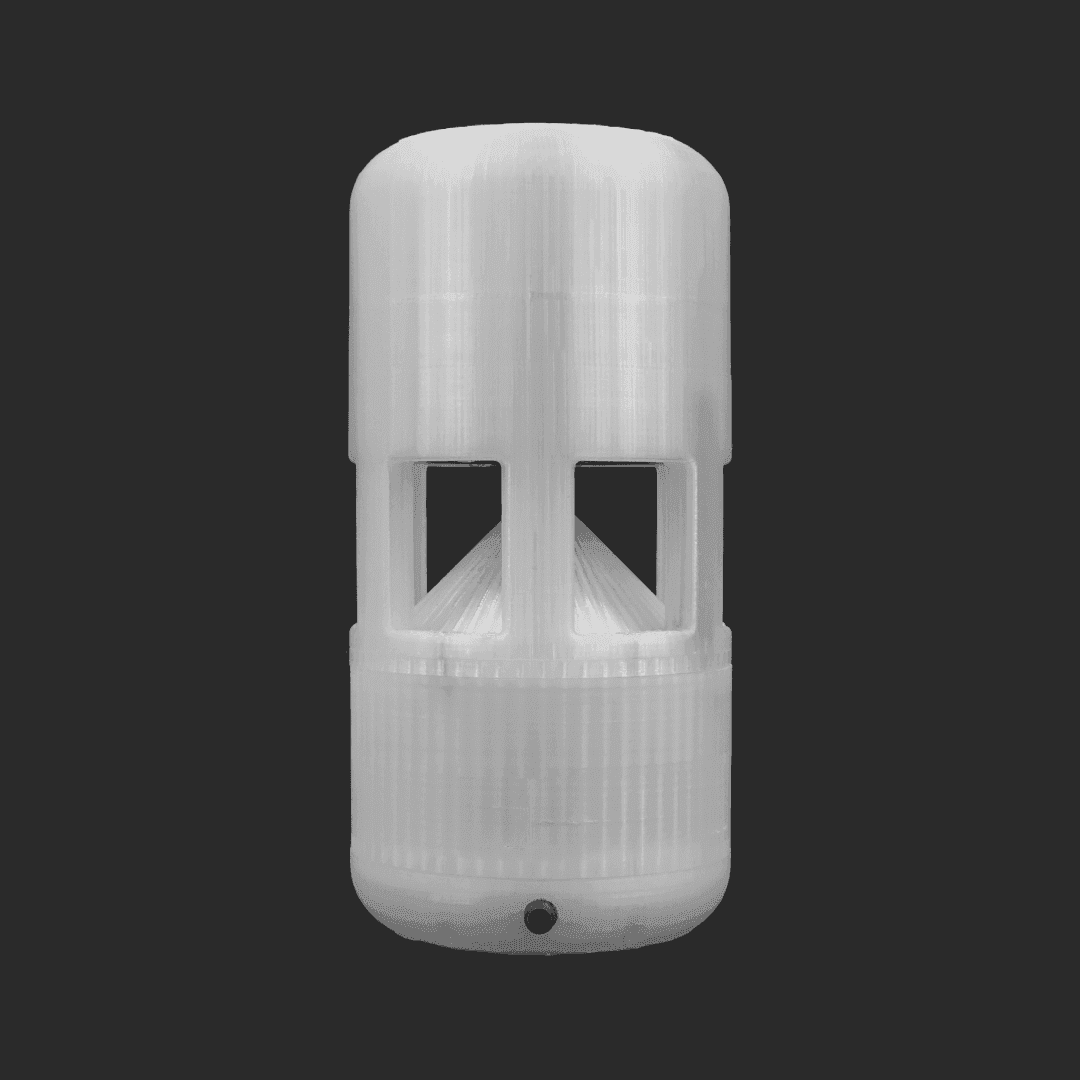
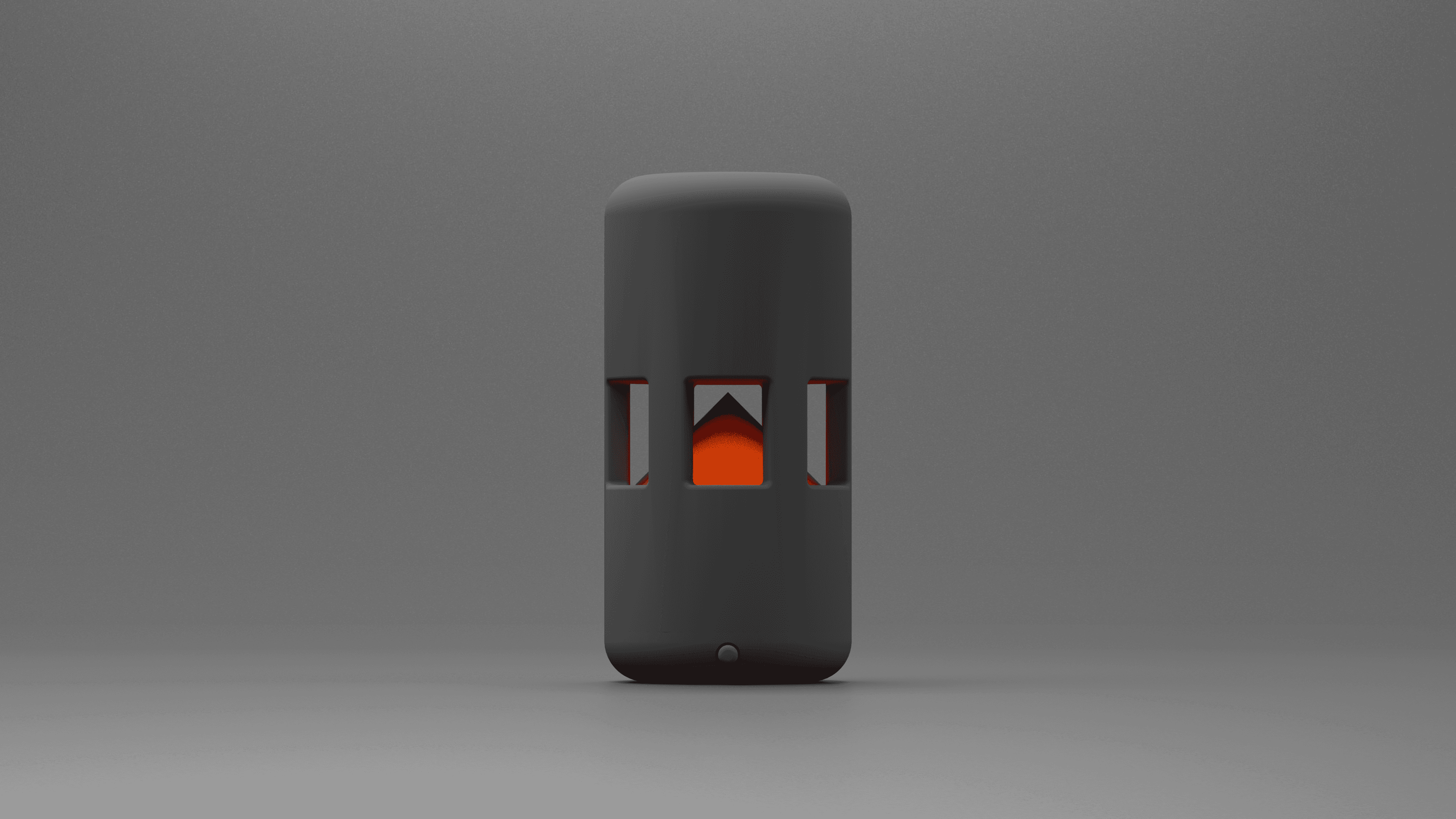
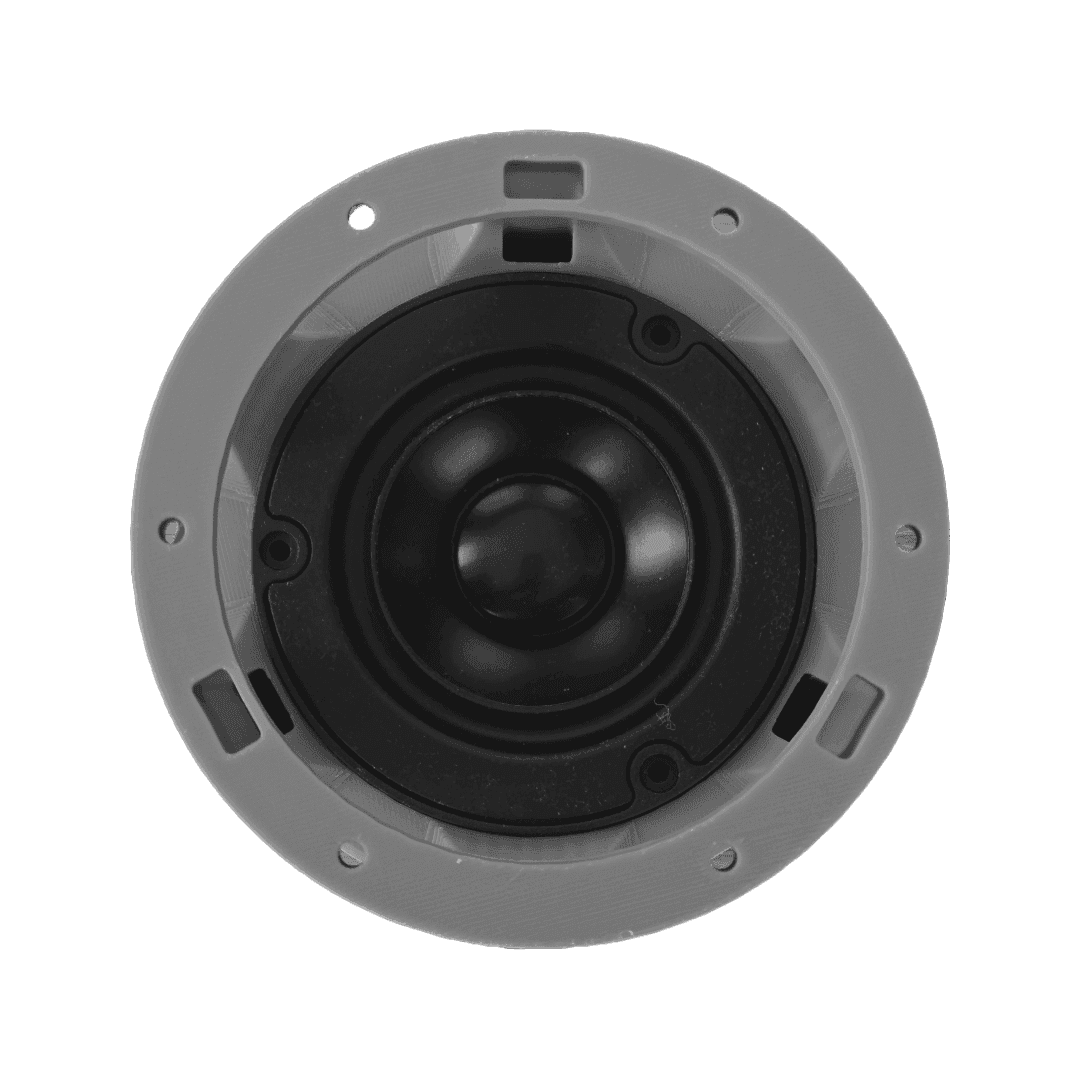
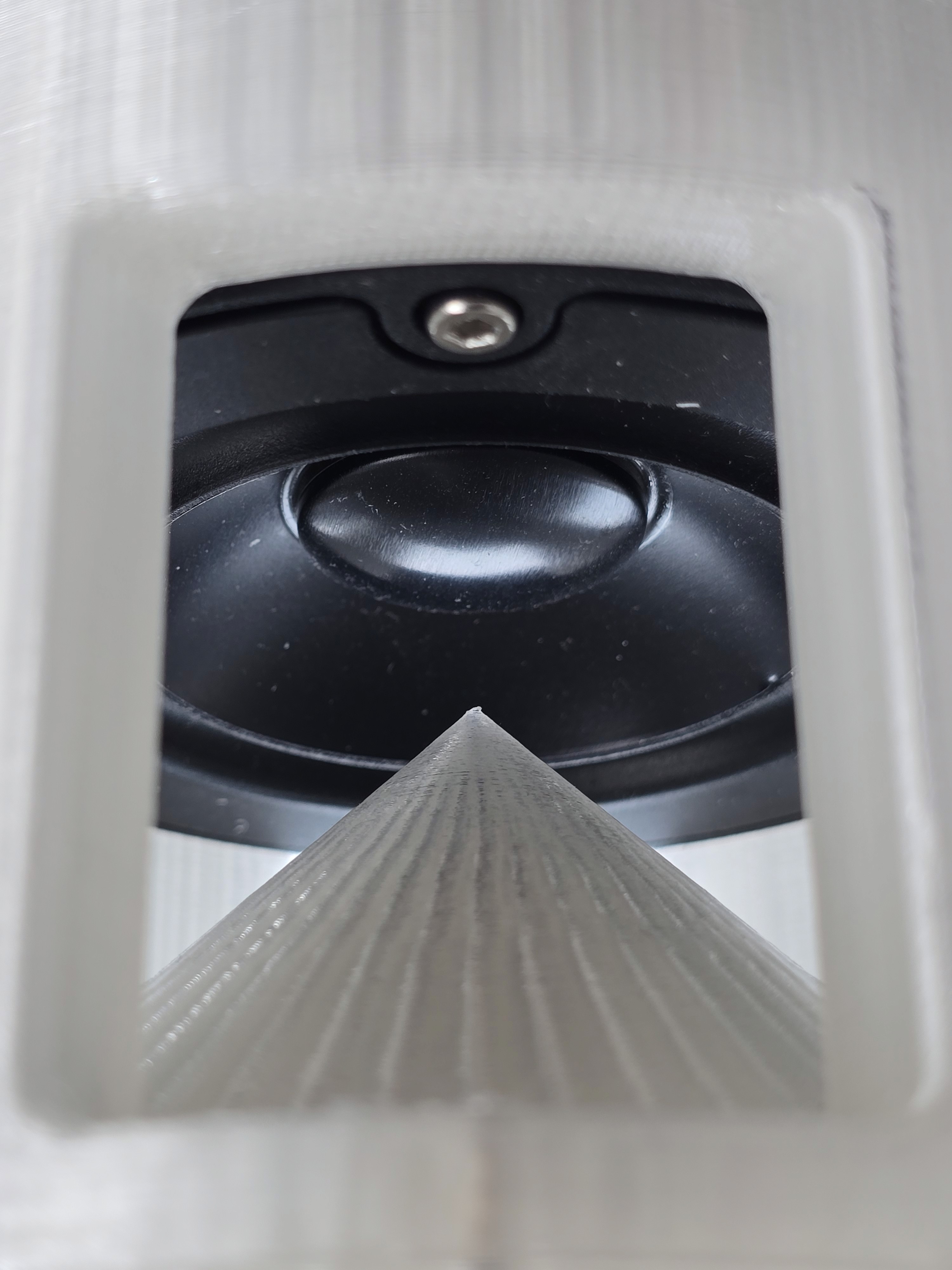
Resonix is a spatial audio system that creates a personal audio zone—combining real-time noise cancellation with rich, high-fidelity playback. The system listens through a neck-worn microphone array and plays adaptive sound through a custom-designed directional speaker unit shown above.
Built around a Raspberry Pi 5, onboard AI, DSP, high-resolution DAC, and a Class D amplifier, Resonix dynamically shapes sound in response to the user’s environment. All of this is packed inside a minimalist 3D-printed enclosure, designed for both performance and elegance. With its soft matte finish, glowing core, and functional cutouts, Resonix doesn’t just sound futuristic—it looks the part.
The prototyping of Resonix begins digitally in Siemens NX, following a top-down design approach to refine the structure and ensure all components fit together properly. The process is iterative—once a section is completed digitally, it is 3D printed and tested before moving on to the next. This step-by-step method allows for real-world evaluation at each stage, ensuring proper assembly, integration, and performance adjustments. The top section is designed first, built around a 3.5-inch full-frequency speaker driver to optimize acoustics and enclosure fit. Once finalized in the digital model, it is 3D printed and tested before proceeding to the middle section.
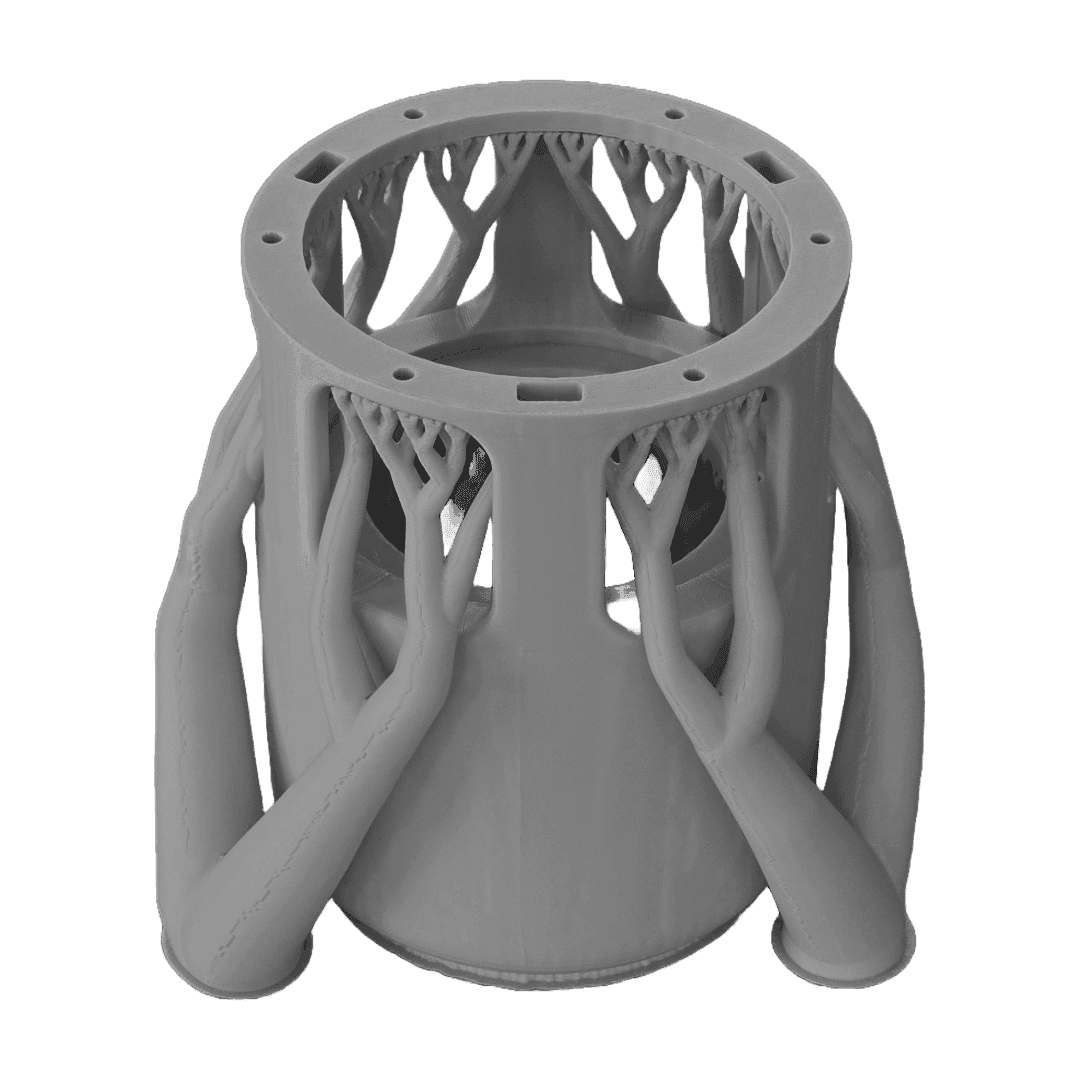
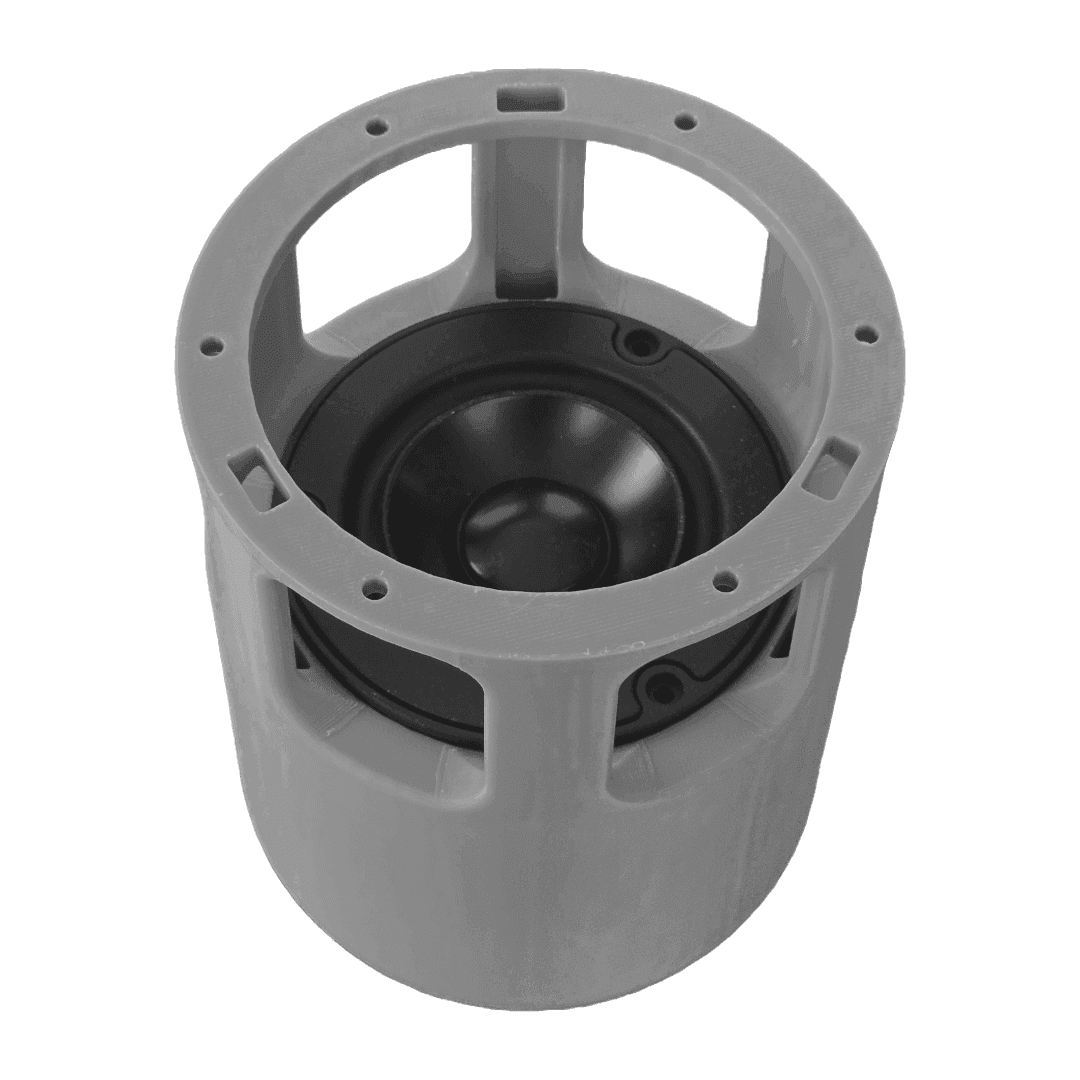
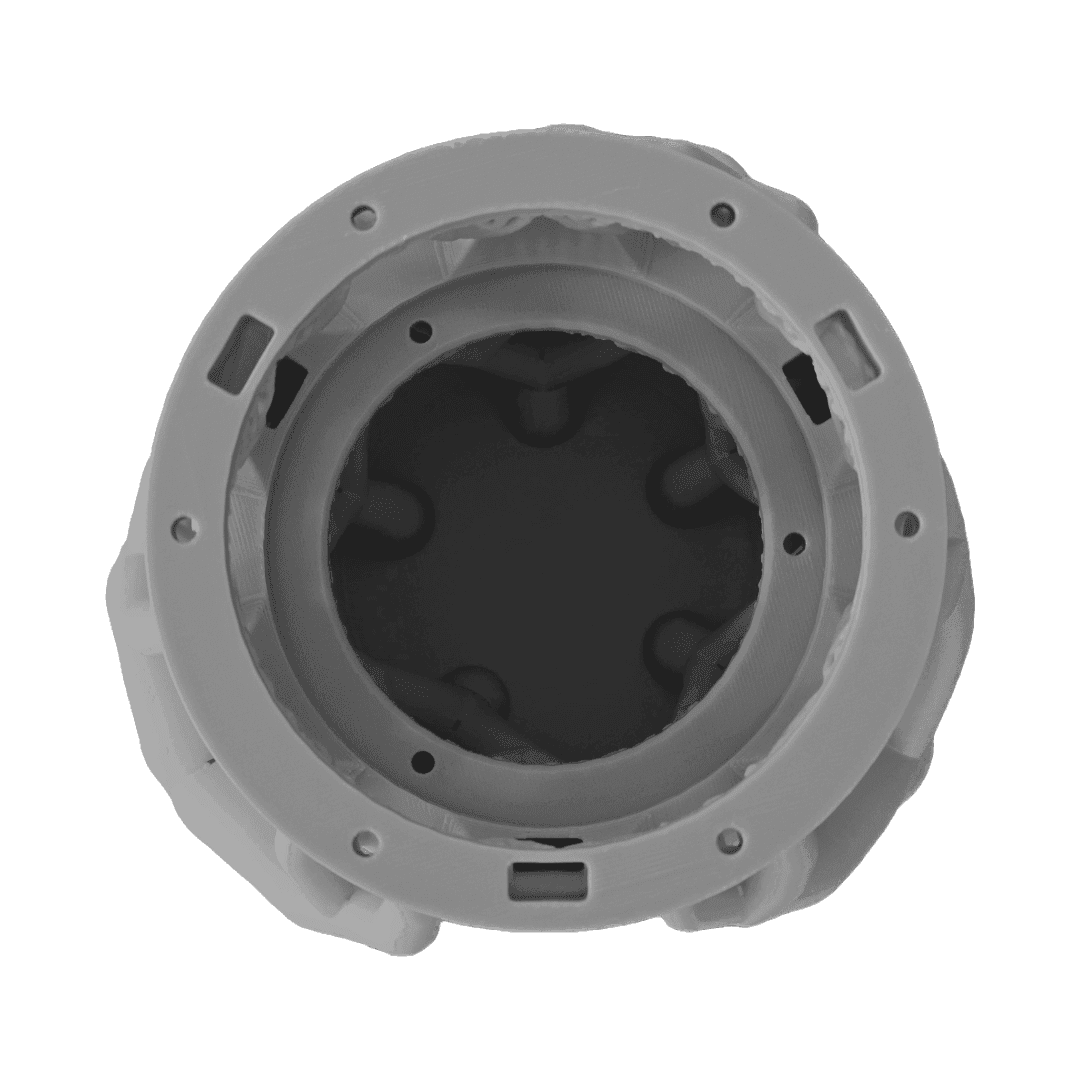
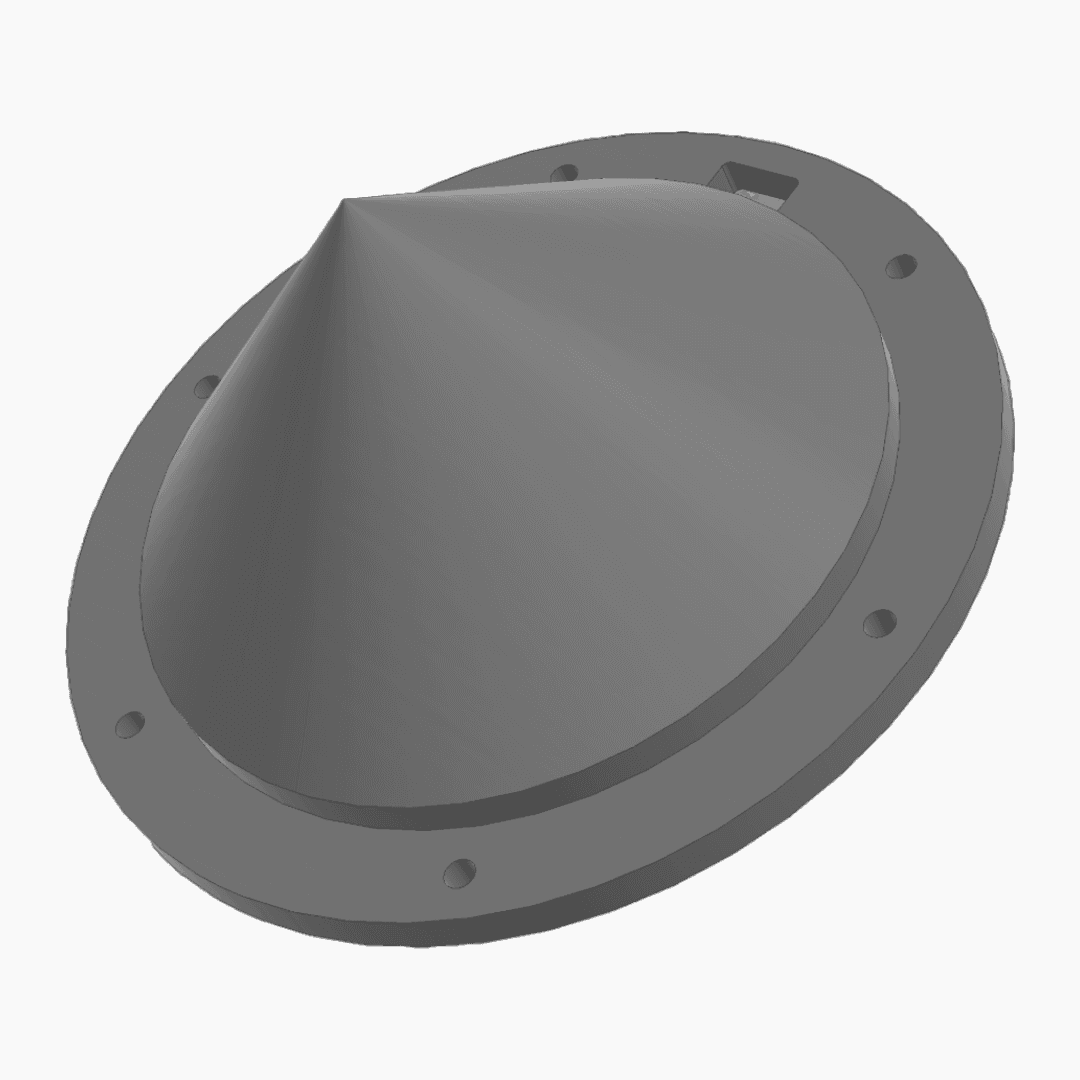
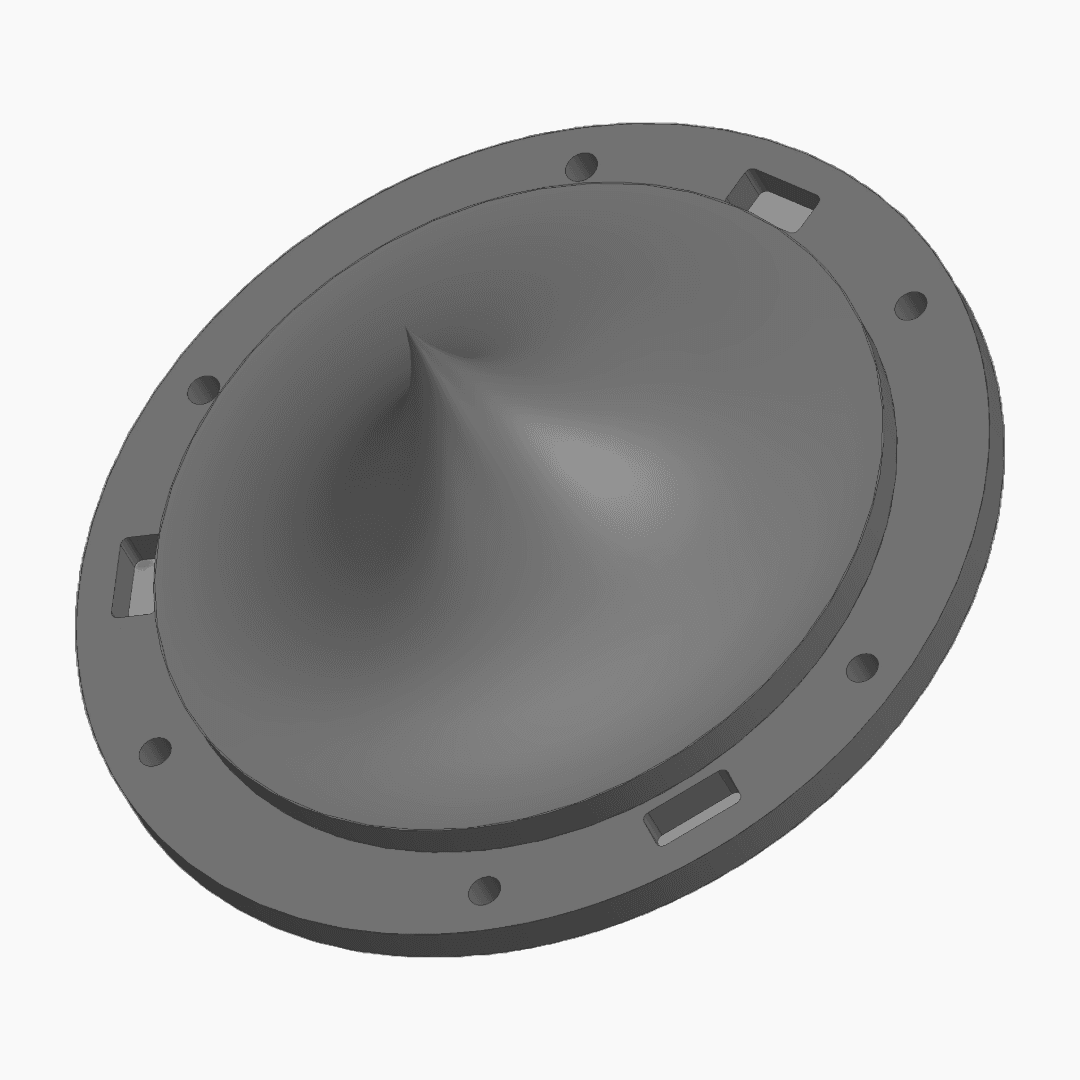
The middle section of Resonix is developed around a cone-shaped structure, designed to guide sound waves efficiently while minimizing distortion. Multiple digital iterations were created in Siemens NX to refine the cone’s angle and surface curvature. Each version was 3D printed and physically tested to evaluate acoustic performance and structural fit.
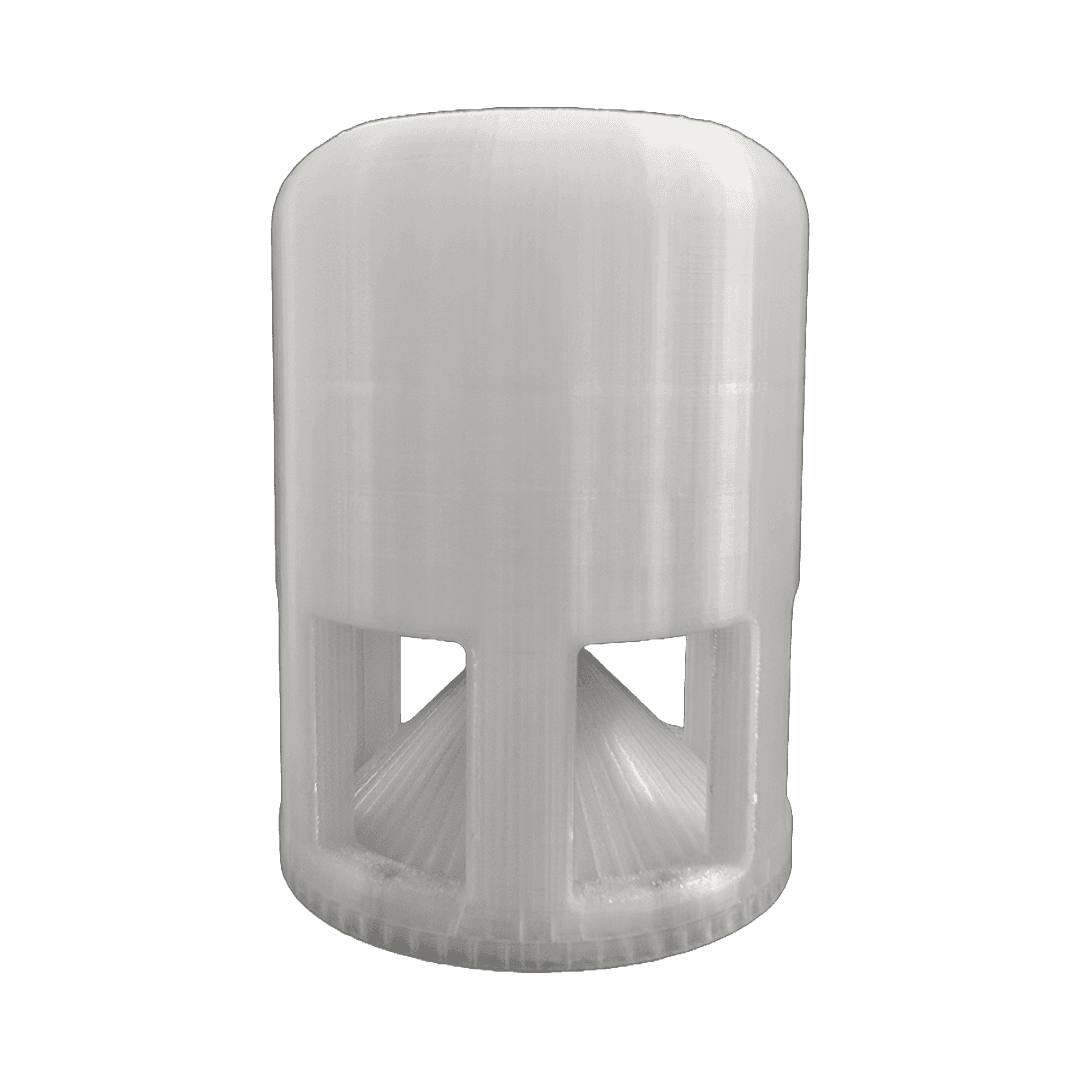
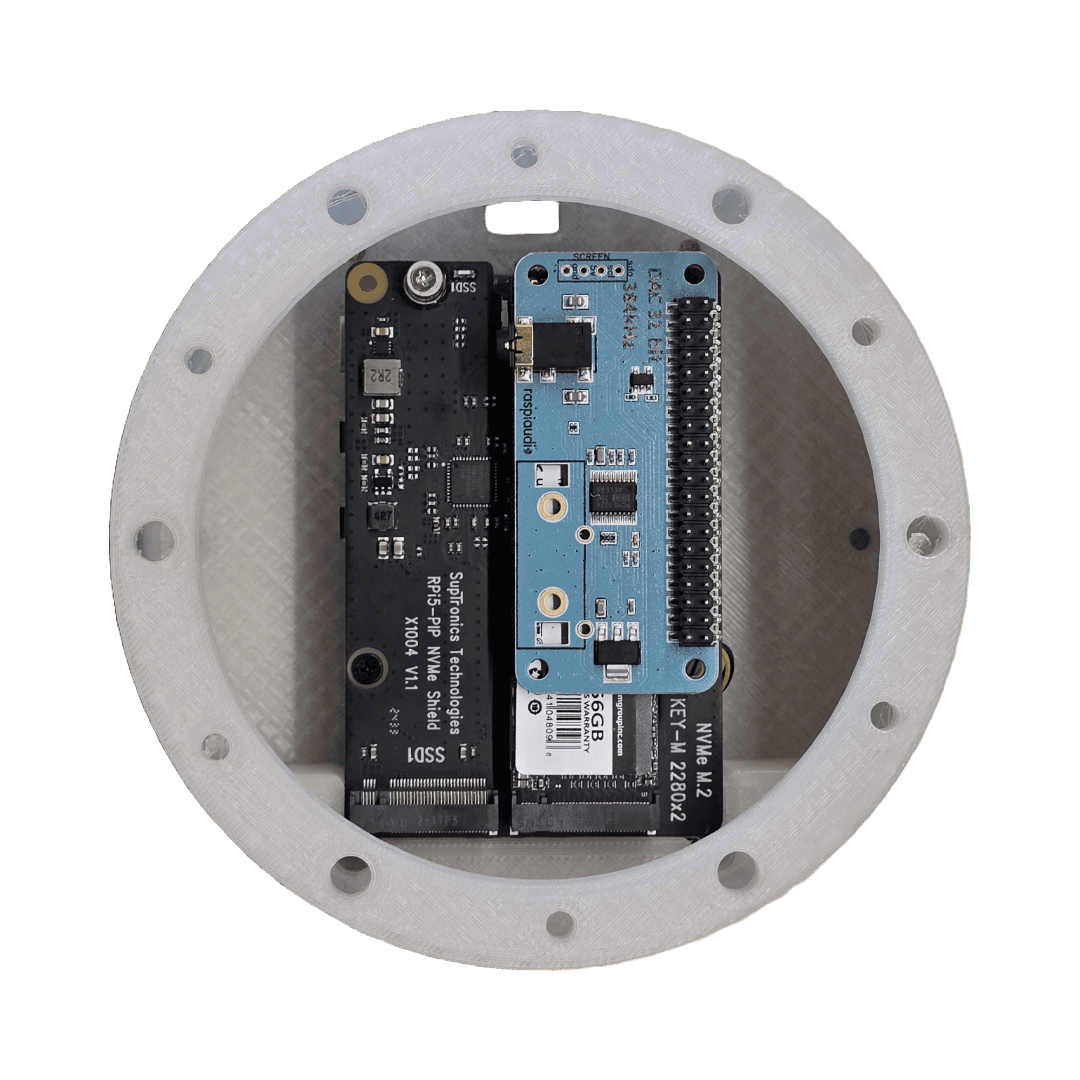
The upper bottom section of Resonix serves as the enclosure for the electronic components. It houses the Raspberry Pi, an AI accelerator and SSD mounted on an M.2 HAT, and a DAC (digital-to-analog converter) with a built-in DSP (digital signal processor), along with the power management system and a battery. The internal layout is carefully designed to be compact, structurally robust, thermally efficient, and acoustically inert.
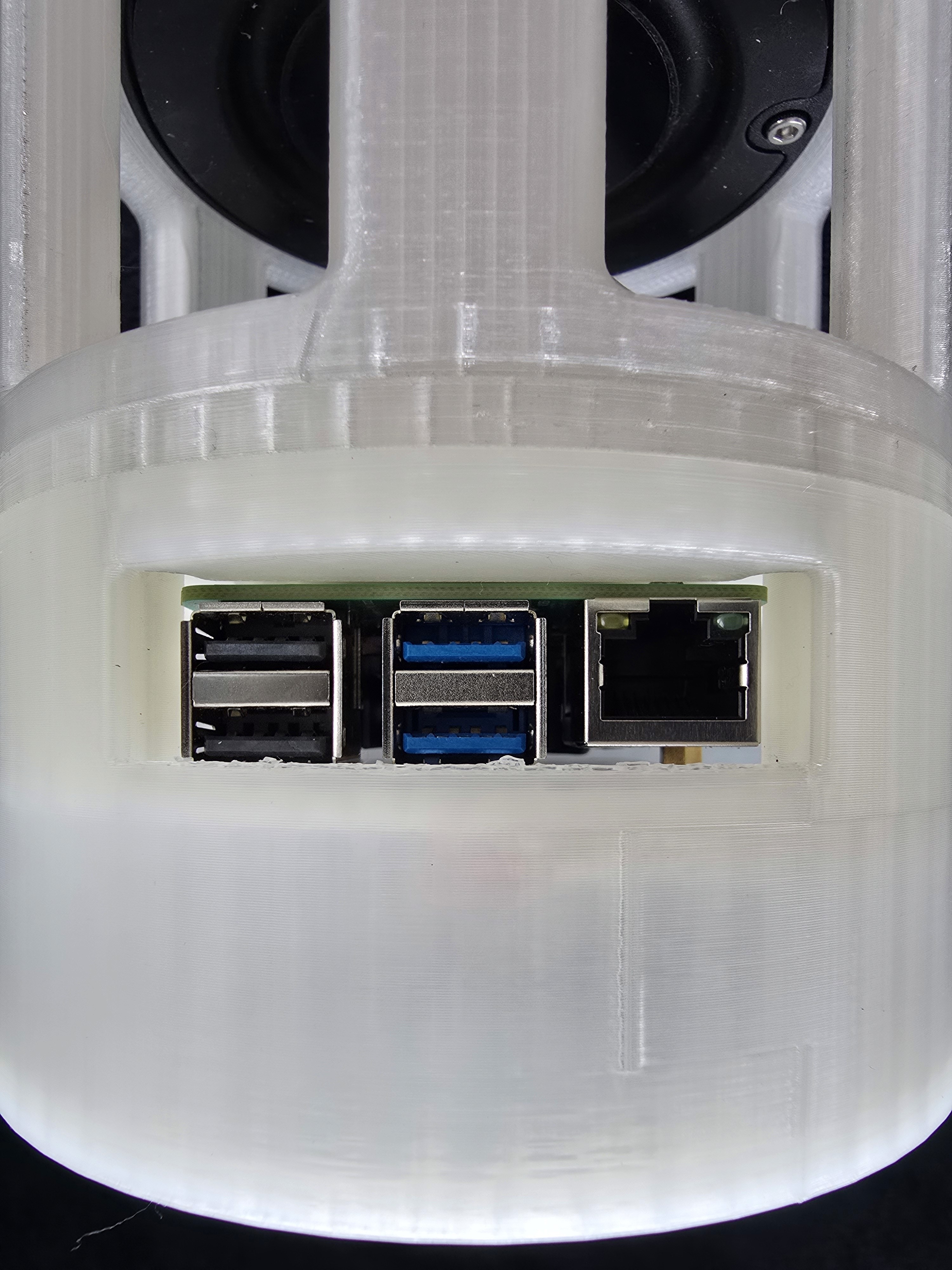
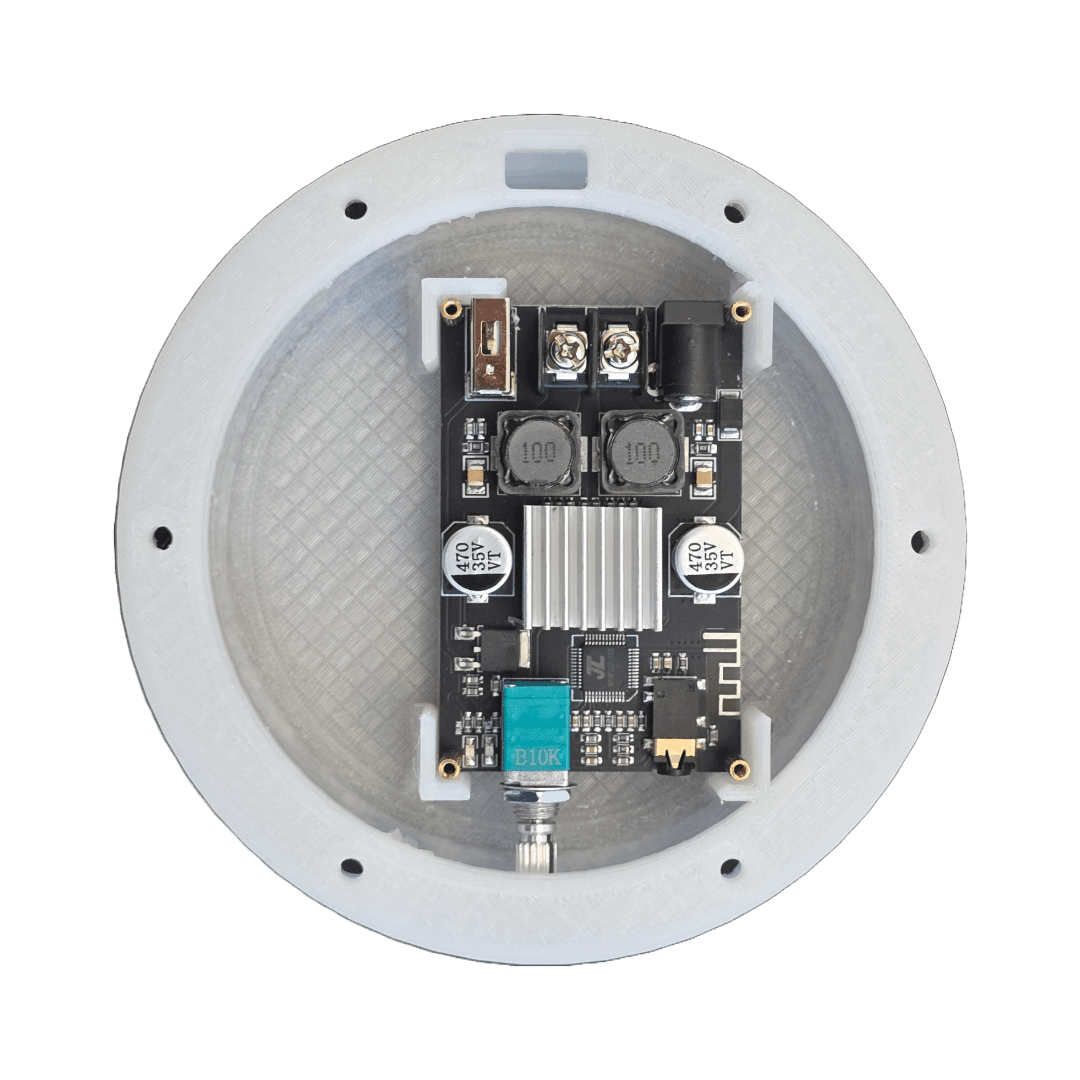
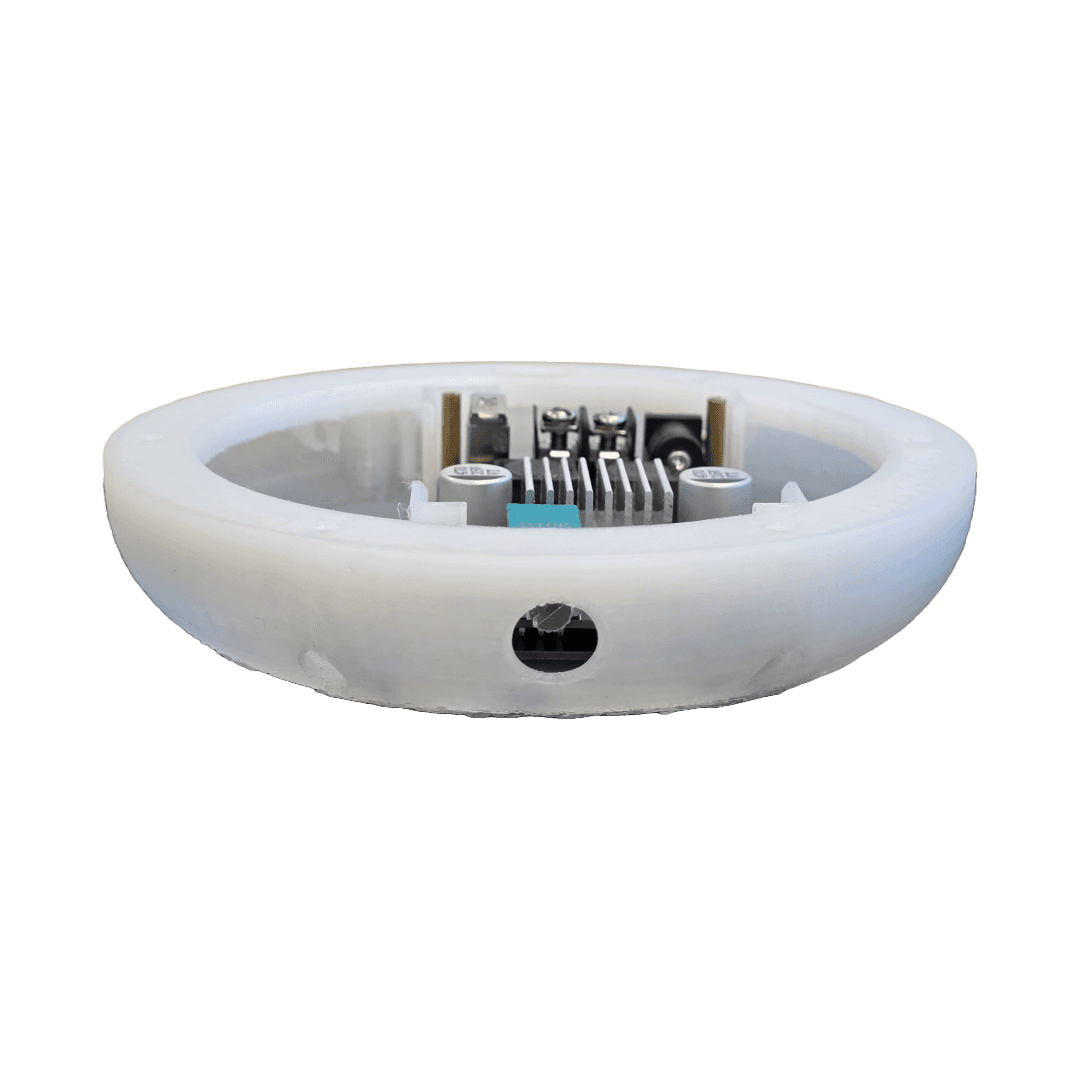
The lower bottom section of Resonix houses the amplifier in its own dedicated space, helping to isolate heat and reduce electrical interference with other components. The DAC connects to the amplifier via a 3.5mm auxiliary cable. More importantly, this section is modular—if the user only wants a hi-fi omnidirectional speaker, they can attach it directly to the main body of Resonix without the upper electronics enclosure, reducing both size and weight. However, in this configuration, the system must be plugged into a wall outlet for power.